 by
by Retargeting can help a business reconnect with people who already know something about it. That may include website visitors, product viewers, people who watched a video, or customers who engaged with a business on Facebook or Instagram. These audiences are often called warm audiences because they have already shown some level of interest.

Retargeting is not a reason to follow people everywhere with the same ad. A good Meta Ads retargeting strategy uses clear audience rules, sensible time windows, relevant messages, exclusions, and privacy-aware measurement. This guide shows how to build a small, controlled setup that focuses on useful follow-up rather than excessive frequency.
Understand what retargeting is trying to solve
Most people do not buy or enquire on their first visit. They may compare options, get interrupted, wait for approval, or need more information.
Retargeting can provide a useful reminder or answer the next question in the decision process.
Examples of useful retargeting
- A person views a product but does not purchase, then sees an ad explaining shipping and returns.
- A visitor reads a service page, then sees a customer case example related to that service.
- A person watches most of an educational video, then sees an invitation to download a related guide.
- A registered event visitor sees a reminder before the event date.
The message should reflect what the person already knows.
Choose one retargeting goal
A retargeting campaign works better when it has one clear outcome.
Possible goals include:
- complete a purchase;
- request a quote;
- book a consultation;
- return to a product or service page;
- complete a signup;
- download a useful resource.
Do not mix very different customer journeys into one audience and expect one ad to fit everyone.
Make sure measurement and consent are handled correctly
Retargeting often depends on website or platform activity. Your setup should follow applicable privacy laws, your own privacy policy, and the platform’s current terms.
Review official guidance in Meta for Business for Meta Pixel and related business tools. If your site needs consent before certain tracking technologies can run, implement that consent correctly rather than trying to bypass it.
Keep data collection purposeful
Collect only the data needed for legitimate measurement and advertising use. Do not upload customer data you do not have the right to use. Keep account access secure and limit permissions to people who need them.
Map the warm audiences available to you
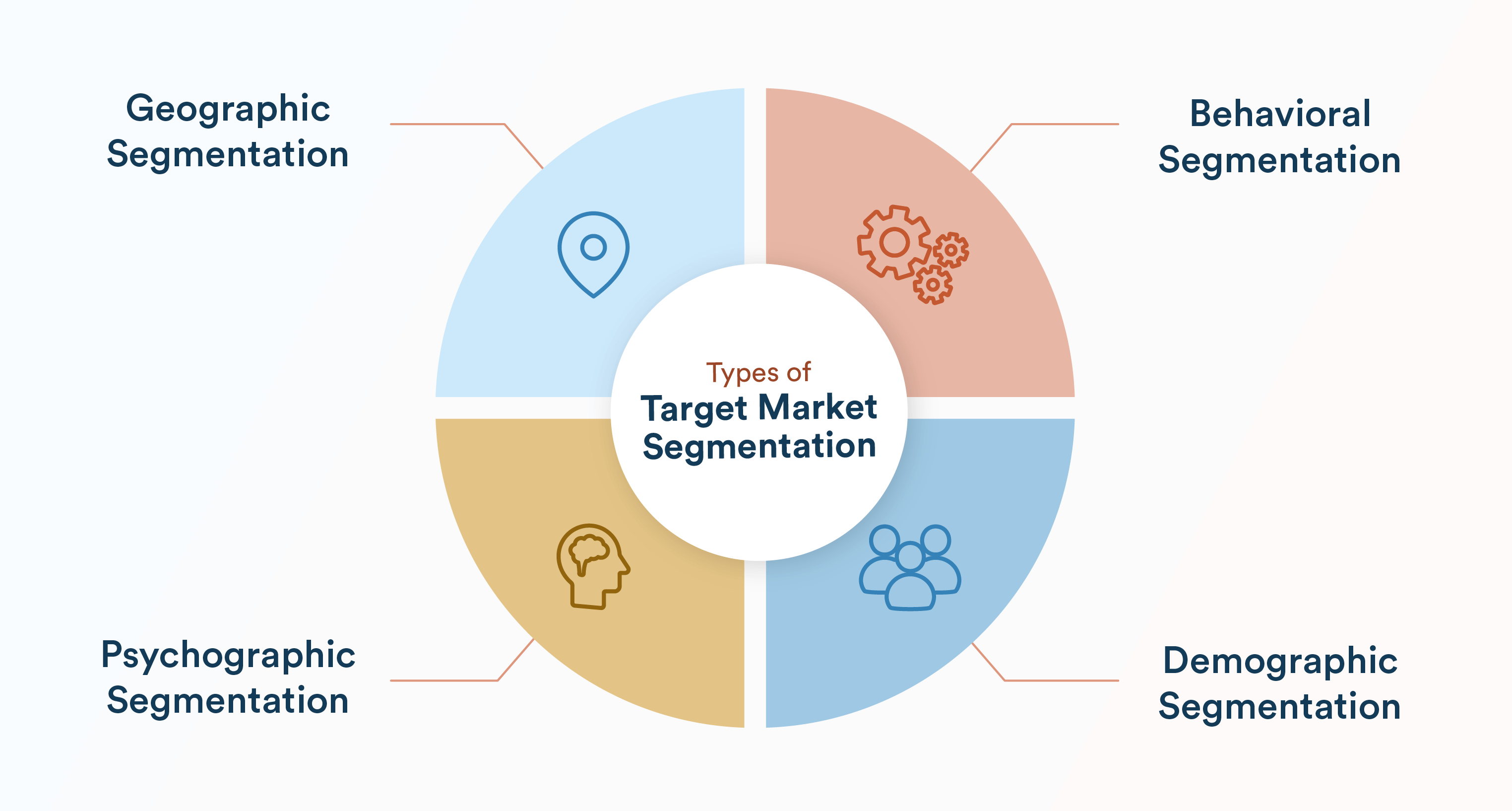
Before creating ads, list the audience sources you can legitimately use.
Common sources may include:
- website visitors;
- visitors to specific product or service pages;
- people who initiated checkout or another key step;
- video viewers;
- Facebook or Instagram account engagers;
- people who opened or submitted an eligible lead form;
- customer lists used in line with permissions and platform rules.
Available audience types and settings can change, so confirm current options inside Meta Ads Manager.
Segment by intent, not by every possible action
A small advertiser does not need dozens of tiny audiences. Build segments that represent meaningful differences in intent.
A simple three-level model
| Audience | Signal | Message idea |
|---|---|---|
| Interested | Viewed educational or category content | Explain value or answer a common question |
| Considering | Viewed a product/service page or watched a large part of a product video | Show proof, comparison, or practical details |
| High intent | Started checkout, booking, or lead process | Remove friction and remind about the next step |
This is easier to manage than creating a separate campaign for every page visit.
Use sensible recency windows
Someone who visited yesterday may have a different level of interest from someone who visited six months ago.
Choose audience windows based on the buying cycle.
Short buying cycle example
A local takeaway or low-cost ecommerce item may have a short decision period. A 7-day or 14-day audience can be more relevant than a 180-day audience.
Long buying cycle example
A B2B software purchase, home renovation, or expensive course may involve weeks of research. A longer window may make sense, but the message should change as time passes.
Do not assume a long audience window is better because it creates a larger audience.
Exclude people who already completed the goal
Exclusions are one of the most important budget controls in retargeting.
If the campaign asks people to purchase a product, exclude recent purchasers unless there is a separate, relevant cross-sell or repeat-purchase reason.
If the campaign promotes a webinar registration, exclude people who already registered.
Keep exclusion windows aligned with reality
A customer who bought a mattress yesterday should not see “still thinking about buying?” ads. A customer who buys coffee every month may become relevant again much sooner.
Start with one campaign and a few audience groups
Small retargeting audiences can become fragmented if you create too many ad sets. This can make delivery uneven and reporting difficult.
A practical first setup might include:
- Ad set 1: recent high-intent website visitors;
- Ad set 2: broader website visitors and engaged users;
- Ad set 3: video viewers or social engagers, if large enough to be useful.
Combine closely related signals when separate groups would be too small to learn from.
Set the budget from audience size and business value
Retargeting does not automatically need a large budget. Warm audiences may be much smaller than prospecting audiences.
Use a capacity check
Ask:
- How large is the audience?
- How quickly does it refresh with new people?
- How often can a person reasonably see the message?
- What is the value of the desired conversion?
If a retargeting audience contains only a few thousand people, pushing a large daily budget can increase frequency without creating more qualified demand.
Match the ad to the previous interaction
Warm audiences have context. Use it.
Product viewer
Show useful product details, delivery information, a comparison, or customer proof. Avoid pretending you know exactly why the person did not buy.
Service-page visitor
Answer a common concern such as process, timeline, pricing approach, or what happens after an enquiry.
Video viewer
Continue the same topic. If a person watched an introduction to email automation, the next ad could offer a checklist for planning the first workflow.
Use different creative for different stages

The same image and headline repeated for weeks can create fatigue.
Prepare several useful creative angles:
- problem and solution;
- how it works;
- customer proof;
- frequently asked question;
- comparison or decision help;
- deadline or availability when genuinely time-sensitive.
Keep claims accurate. Do not invent scarcity or fake countdowns.
Make the call to action feel like the next logical step
A warm audience may be ready for a stronger action than a cold audience, but the action should still fit the stage.
Examples:
- “See sizes and delivery options” for a product viewer.
- “Read how the installation works” for a service researcher.
- “Finish your registration” for someone who began a signup.
- “Book a 15-minute assessment” for a qualified service-page visitor.
Avoid vague calls to action when a specific next step is available.
Send users back to the right page
The landing page should continue the conversation.
If an ad discusses a specific product, link to that product or a closely related page. If an ad answers a service pricing question, send the user to the pricing or service information, not a generic homepage.
Check the landing page for retargeting traffic
- Does the page match the ad?
- Is the main action obvious?
- Are delivery, pricing, availability, or process details easy to find?
- Does the page load well on mobile?
- Are trust and contact details visible?
Watch frequency and signs of fatigue
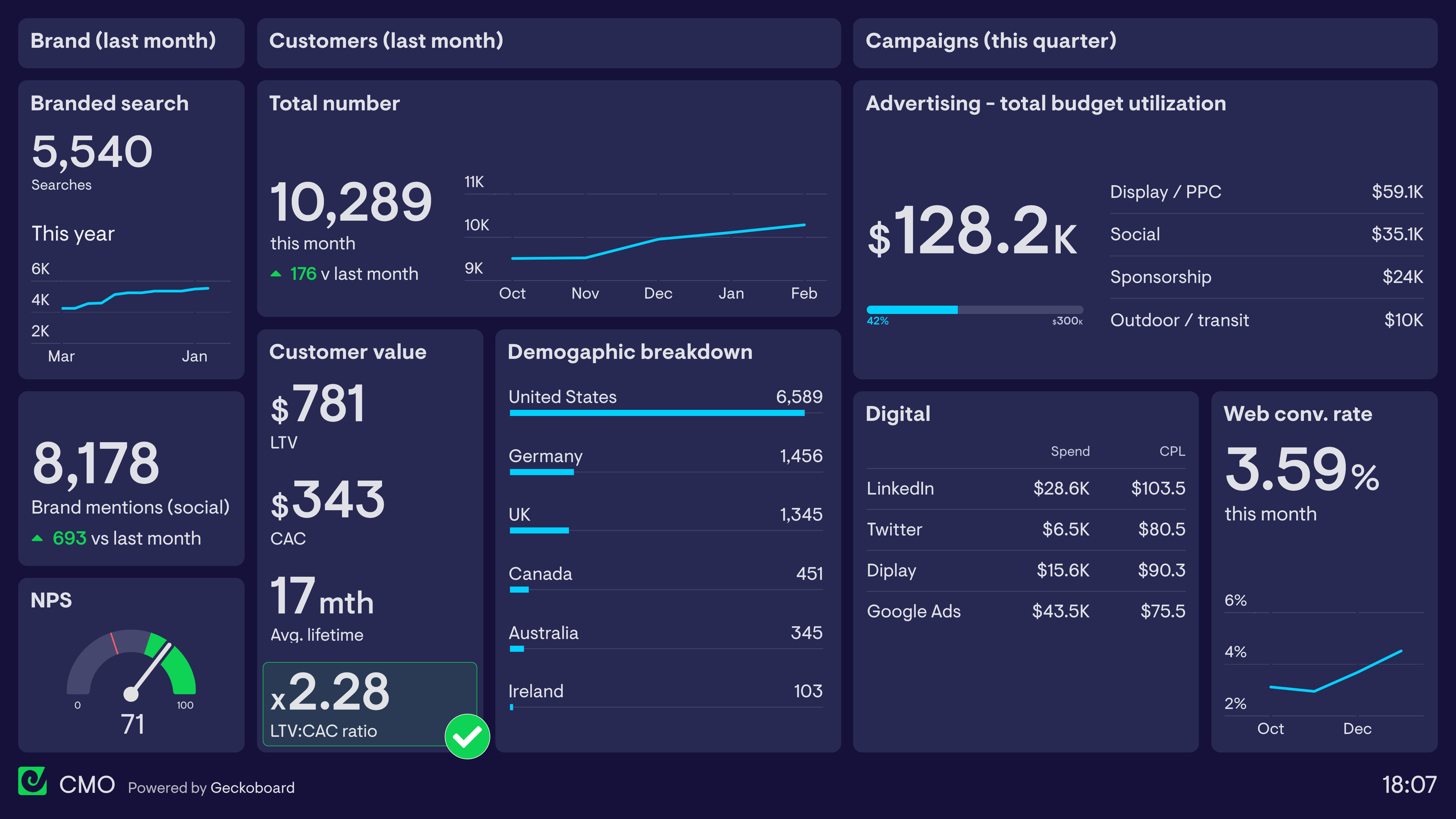
Frequency tells you how often an average person was shown the ad over a period. There is no universal perfect number because campaign goals and buying cycles differ.
Watch for a pattern: frequency rises while clicks, conversions, or useful engagement fall. That can indicate the audience has seen the creative too often.
Ways to reduce fatigue
- refresh creative;
- reduce budget;
- shorten or adjust audience windows;
- improve exclusions;
- broaden only when the new audience still matches the goal.
Measure conversions, not only click-through rate
A retargeting ad can receive many clicks because the audience already knows the brand. The important question is whether those clicks complete a useful action.
Review:
- cost per conversion;
- conversion rate;
- purchase value or qualified lead value;
- frequency;
- landing-page performance;
- incremental business value where you can measure it.
Do not assume every conversion reported after an ad exposure was caused only by that ad.
Understand attribution limits
People may interact with several marketing channels before converting. A person might discover a business through search, watch an Instagram video, receive an email, and later click a retargeting ad.
Platform attribution helps with campaign management, but it is not a perfect map of causation. Compare Meta reporting with your website analytics and business records.
Use holdout thinking when possible
For larger campaigns, controlled tests can help show whether retargeting creates incremental conversions rather than simply claiming credit for people who would have converted anyway.
Small businesses may not have enough volume for formal experiments. Even then, avoid treating reported return on ad spend as unquestionable truth. Review customer behavior and other channels.
Keep prospecting and retargeting results separate
Warm audiences often convert more easily because they already know the business. Do not compare them directly with cold prospecting without context.
Report them separately so you can see:
- what it costs to reach new people;
- what it costs to bring interested people back;
- how much audience overlap exists;
- whether retargeting budget is becoming too large for the available pool.
A realistic ecommerce example

Imagine a small furniture store selling handmade desks. The buying cycle is longer than a low-cost impulse product because customers compare size, delivery, material, and price.
The store creates:
- a 14-day audience of product-page visitors;
- a 30-day audience of category visitors and Instagram engagers;
- an exclusion for purchasers from the last 60 days.
Product viewers see an ad that explains delivery times and shows the desk dimensions in a real room. Broader visitors see a short video about how the desks are made and a link to the buyer’s guide.
The owner watches frequency and purchase data. When the product-viewer audience becomes small and frequency rises, the owner reduces budget instead of forcing more delivery. New creative is introduced two weeks later.
The strategy follows the customer’s questions rather than repeating “buy now.”
A realistic service-business example
A local wedding photographer has visitors who view the pricing page but do not enquire. The photographer creates a 30-day pricing-page audience and excludes people who already submitted the contact form.
The retargeting ad does not offer a fake discount. It links to a guide called “What happens after you enquire,” showing the consultation, date check, booking agreement, and planning process.
This addresses uncertainty. People who are ready can then use the contact form.
Common Meta retargeting mistakes
Retargeting everyone with the same ad
A product viewer and a casual video viewer may need different information.
Forgetting purchaser or lead exclusions
This wastes budget and can create an awkward customer experience.
Using very long windows for short decisions
Recency should match the buying cycle.
Setting too much budget for a small audience
More spend can increase frequency without creating more demand.
Ignoring privacy and consent
Use tracking and customer data only in ways allowed by applicable law, your privacy commitments, and platform rules.
Judging only by platform-reported return
Use business records and other analytics for context because attribution is not perfect.
Meta Ads retargeting checklist
- Choose one clear retargeting goal.
- Confirm tracking and consent setup.
- List legitimate warm audience sources.
- Group users by meaningful intent.
- Choose recency windows based on the buying cycle.
- Exclude recent converters.
- Keep the campaign structure simple.
- Set budget according to audience size and value.
- Match messages to previous interactions.
- Use several creative angles.
- Choose a logical call to action.
- Send users to a matching landing page.
- Watch frequency and fatigue.
- Measure conversions and lead quality.
- Use attribution as context, not absolute proof.
- Report prospecting and retargeting separately.
Frequently asked questions
How big should a retargeting audience be?
There is no single ideal size. It must be large enough for the platform to deliver ads while still representing a useful group. Very small audiences can create high frequency quickly, so budget should remain modest.
How long should I retarget website visitors?
Base the window on the normal decision cycle. A few days may suit a short purchase. Several weeks or months may suit a high-consideration service. Test recency groups rather than assuming the longest available window is best.
Should I offer a discount in every retargeting ad?
No. People may need information, proof, delivery details, or a reminder rather than a discount. Automatic discounting can reduce margin and train customers to wait for offers.
How often should retargeting creative change?
Change it when performance and frequency suggest fatigue or when the offer changes. A small high-intent audience may need fresh creative sooner than a large audience.
Conclusion
A useful Meta Ads retargeting strategy respects context. Build audiences around real signals, choose a recency window that fits the buying cycle, exclude people who already converted, and show ads that answer the next question rather than repeating the same sales message.
Keep budgets in proportion to audience size and watch frequency closely. Measure qualified business outcomes, not just clicks or platform-reported return. Retargeting is most effective when it improves the customer journey and stays within clear privacy, consent, and platform rules.